
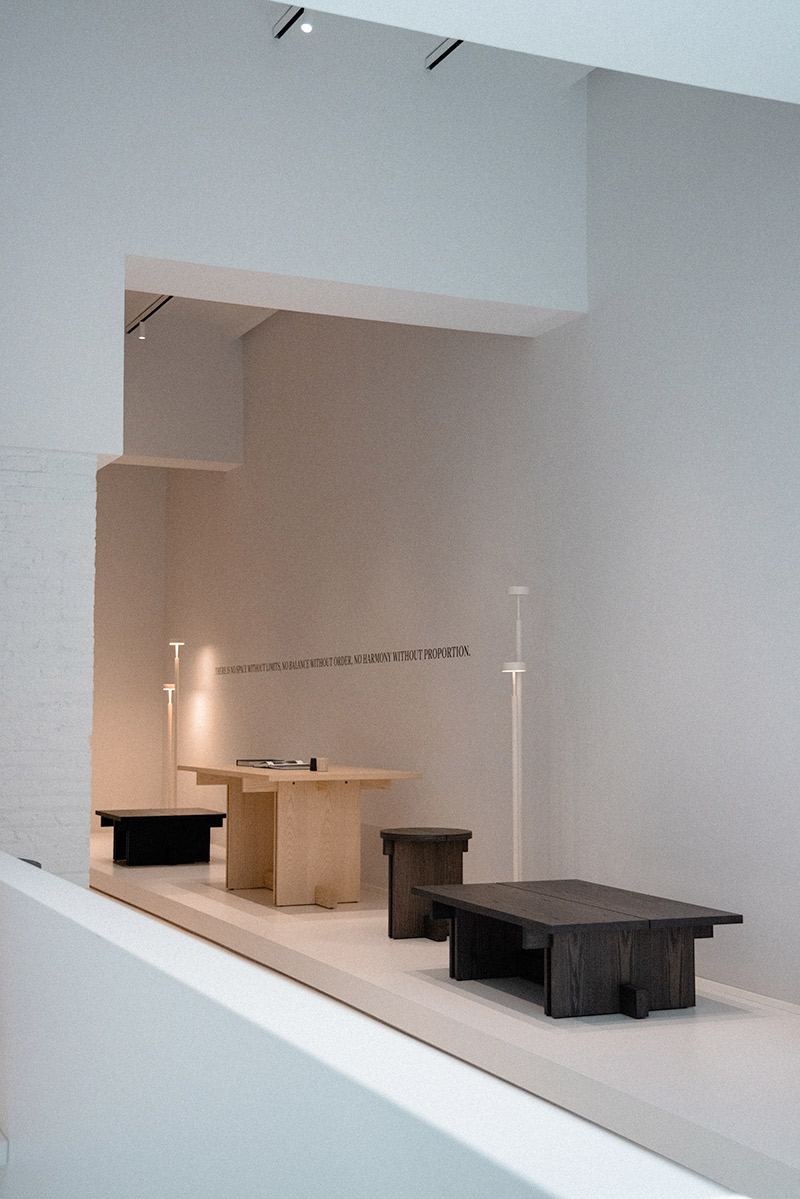
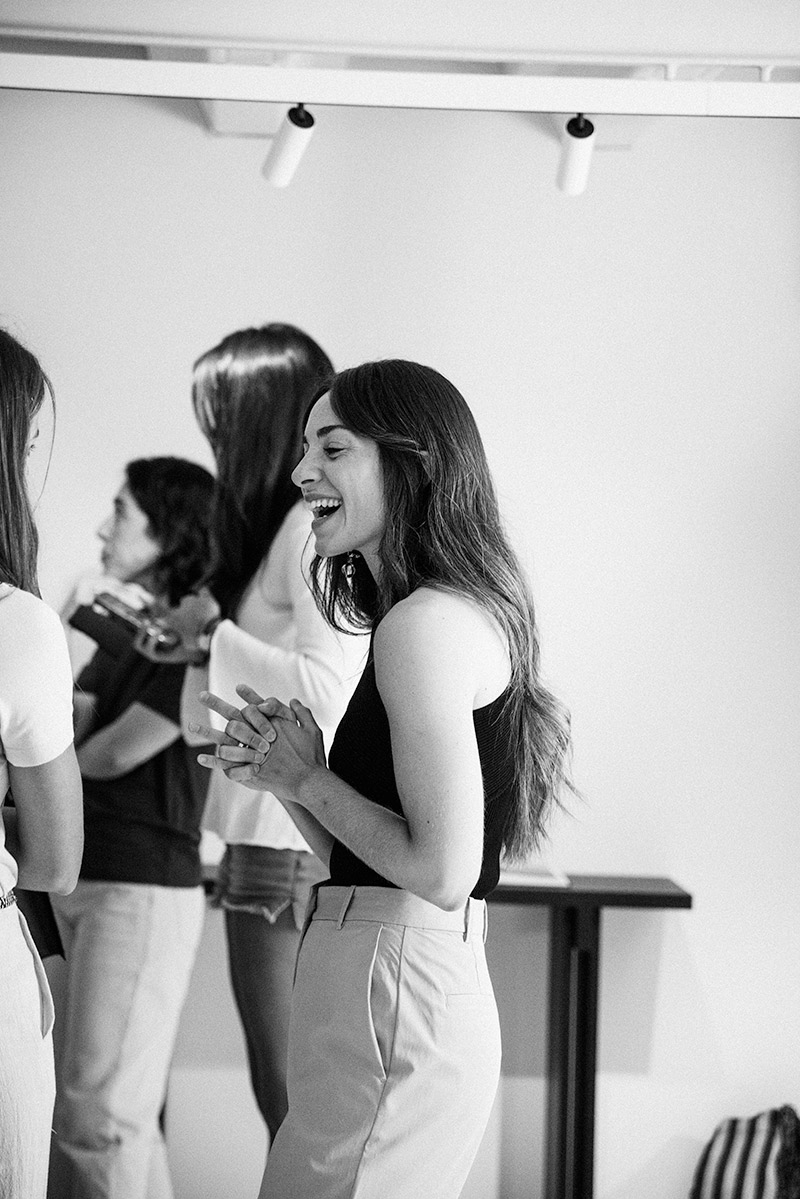
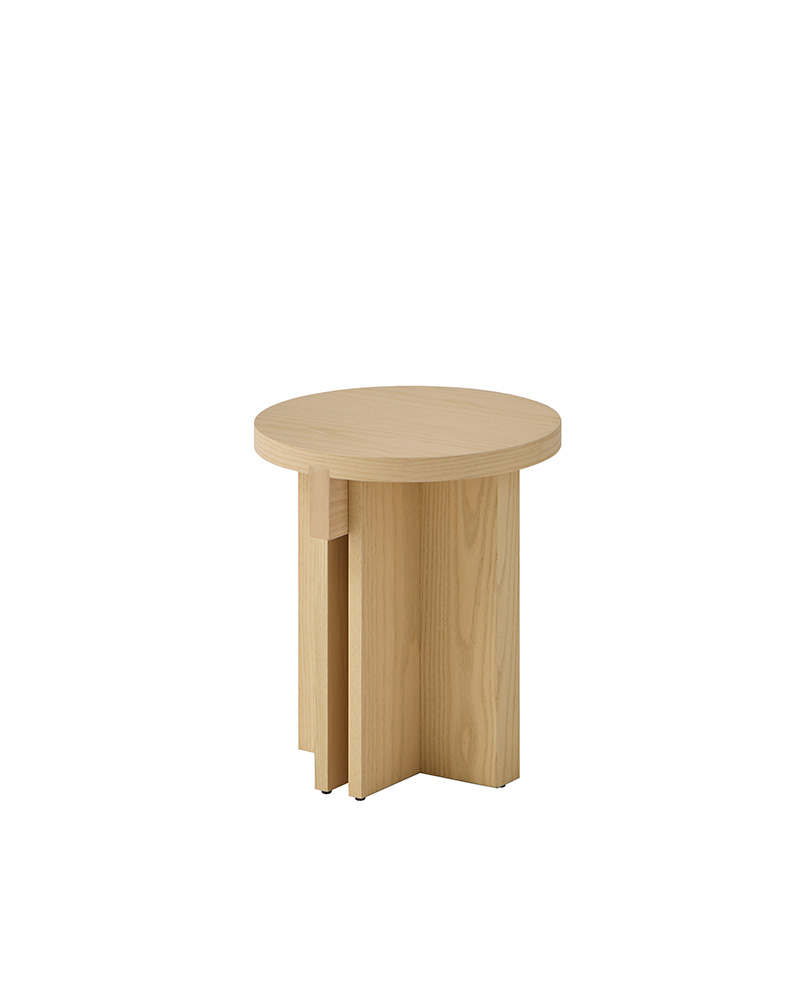
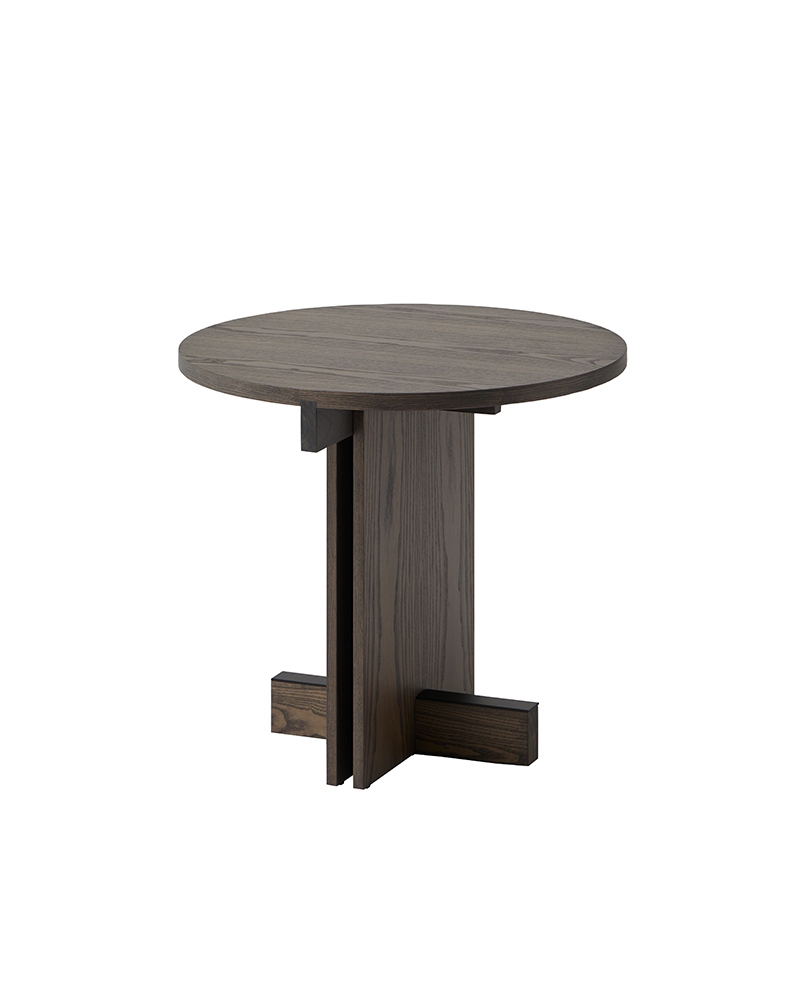

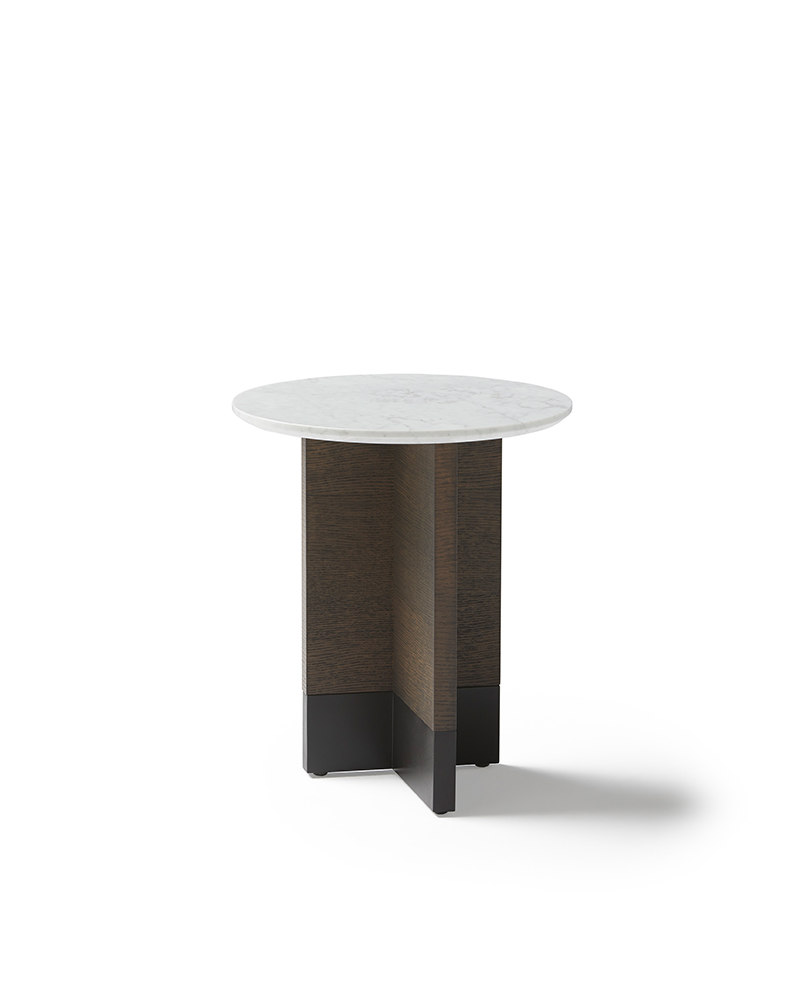
As product and marketing director at Kendo, Marta Aliaga builds a vision where the essential and the sensorial coexist with ease. In this conversation, we talk about the brand’s identity, her collaboration with Francesc Rifé on the Rak collection, and the role of materiality as a starting point. A perspective that understands design not only as form, but also as atmosphere and memory.
HOW WOULD YOU DESCRIBE THE SOUL OF KENDO? WHAT VALUES DO YOU AIM TO EXPRESS THROUGH ART DIRECTION?
The soul of Kendo lies in its ability to create pieces that go beyond function. In my role, I try to convey a visual language that feels authentic and balanced. Every creative decision comes with a clear intention: to honor materials, respect the process, and commit to a timeless aesthetic that leaves a mark without making noise.
HOW WAS THE COLLABORATION WITH FRANCESC RIFÉ TO DEVELOP THE RAK COLLECTION?
Working with Francesc Rifé is, above all, an exercise in harmony. From the first briefing, his sensitivity and precision allowed the initial idea to take shape naturally. We shared a very clear vision for Rak: pure lines, material honesty, and a deep connection to craftsmanship. His way of understanding design, reducing the unnecessary and giving space to the essential, naturally aligns with our sensibility. It’s a very enriching process, where every decision feels intentional and coherent.
HOW WOULD YOU DESCRIBE THE RAK COLLECTION IN ONE LINE?
Rak is a collection that celebrates restraint, that speaks with calm and finds strength in deliberate precision.
WHAT KIND OF EMOTIONAL CONNECTION DO YOU HOPE PEOPLE BUILD WITH KENDO PIECES?
I hope they find in our pieces a quiet but meaningful presence. That they are not just furniture, but silent witnesses of daily life, capable of creating a sense of belonging. Pieces that evoke calm, authenticity, and effortless beauty. Designs that accompany without imposing, but leave a lasting emotional impression.
HOW DOES JAPANESE DESIGN OR PHILOSOPHY RESONATE WITH KENDO’S WORK AND WITH YOUR OWN?
It resonates deeply. Japanese philosophy inspires a profound sensitivity toward the essential. It encourages us to discover the true essence of objects, embracing a refined design where noble materials and carefully studied proportions take the lead. Each piece reflects a balance between aesthetics, intention, and craftsmanship, resulting in honest creations. Personally, I find inspiration in that poetic lens that gives soul to objects and lets them breathe within their surroundings. This way of understanding design is not only about function or form, but about the atmosphere it creates, how it interacts with the space, and with the people who inhabit it.
HOW IMPORTANT IS MATERIALITY IN YOUR WORK?
Materiality is where everything begins. We do not conceive design without a deep and respectful connection to materials. Every wood grain or marble texture speaks to us and guides the creative process. It’s not just about choosing a material for its appearance, but understanding its behavior, its origin, its character. At Kendo, caring for the material means caring for the message. We want our pieces to speak of quality, permanence, and respect for craftsmanship. We work with noble, honest raw materials because we believe that only from material truth can authentic design emerge. Materiality is a statement of intent, a way of connecting with those who value the durable, the sensory, and the essential.
WHAT OBJECTS OR PIECES HAVE ALWAYS BEEN WITH YOU?
Some objects become part of your personal story. In my case, low tables have always been there: pieces that go beyond function and embody an aesthetic sensibility passed down at home. Thanks to my parents, I grew up surrounded by thoughtful design, accompanied by creations from great designers I still admire today. I’ve also been accompanied by books that shaped my imagination from a very young age, silent witnesses of a childhood filled with materials, craftsmanship, and detail. These objects are not just memories, they are foundations that have shaped how I understand design as identity and as a way of life.


